
Lighting is a cornerstone of aviation safety, especially when it comes to helicopter landings on marine platforms, offshore rigs, rooftop hospitals, and urban locations. Helideck lights are not just functional markers they are integral to ensuring every landing and takeoff is performed safely, particularly in low-visibility conditions. This post explores why helideck lights are vital, the different types used, and the standards that guide their installation and use.
What Is a Helideck Light?
A helideck light is a specially engineered lighting fixture installed around the perimeter and strategic points of a helipad or helideck the designated area for helicopters to land and take off. These lights are crucial visual references, helping pilots distinguish the landing area, maintain orientation, and navigate safely during night-time, fog, or inclement weather. Their visibility, color, and intensity follow strict aviation and maritime standards to avoid misinterpretation and maximize safety for all operations.
Why Are Helideck Lights Essential?
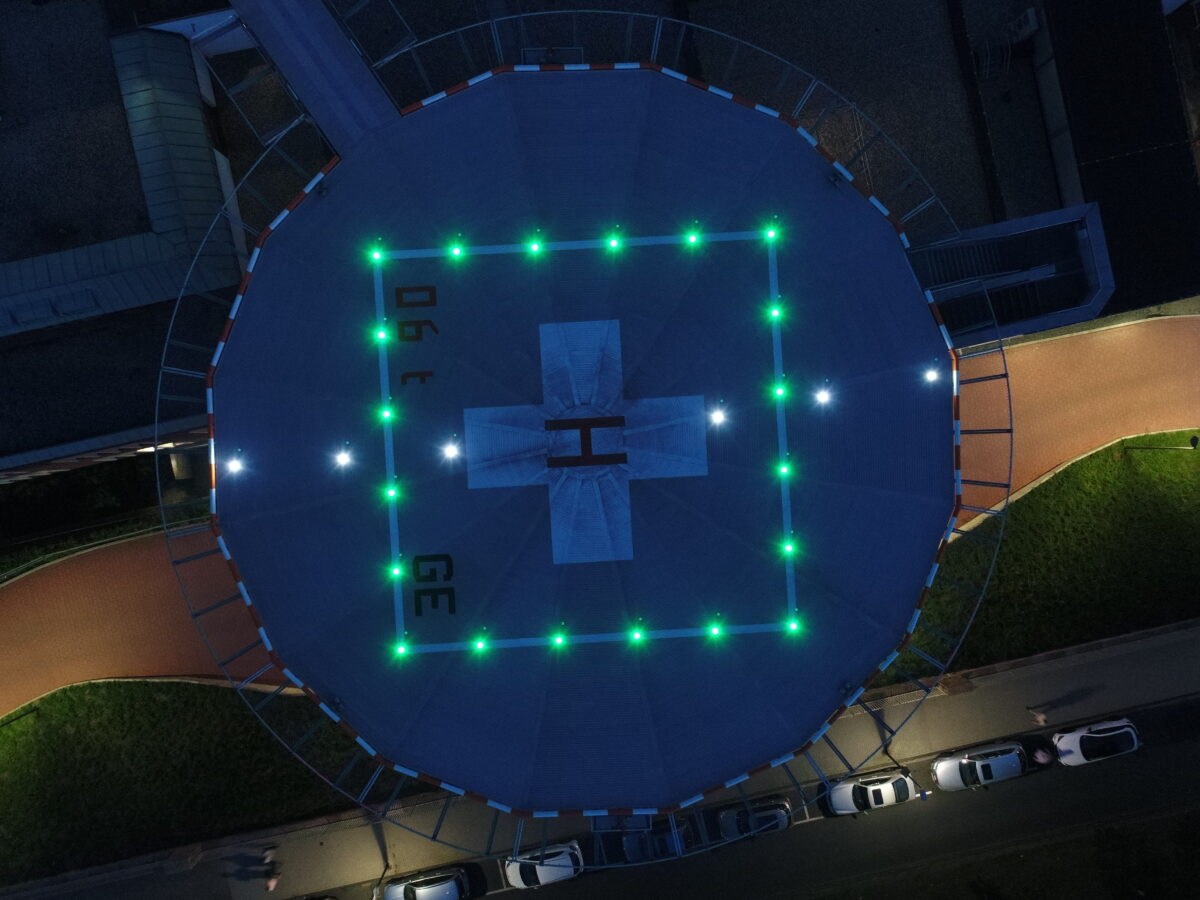
In helicopter operations, especially on offshore platforms or remote land-based sites, environmental conditions can challenge even the most experienced pilots. Helideck lights provide these essential benefits:
- Improve Safety: Bright, uniform lighting minimizes the risk of landing errors, supports orientation, and reduces the chances of accidents during approach, touchdown, or takeoff, especially in darkness or bad weather.
- Meet Regulatory Standards: International regulations (ICAO Annex 14, CAP 437, etc.) mandate precise lighting systems for helidecks, ensuring global safety compliance.
- Minimize Operational Downtime: Modern LED systems are reliable and energy-efficient, reducing maintenance needs and keeping helipads operational even in harsh marine environments.
- Facilitate Emergency Operations: In critical scenarios such as medical evacuations or offshore emergencies, reliable helideck lighting can save lives by allowing pilots to land safely at any hour.
Types of Helideck Lights
Helideck lighting systems are made up of several key elements, each serving a unique function:
1. Perimeter Lights
Installed along the boundary of the helideck, perimeter lights (usually green) define the safe landing area and aid in spatial orientation. They are designed to be visible from all approach angles.
2. Floodlights
These white lights provide general surface illumination, making the deck and its surroundings visible. Floodlights help identify obstructions and personnel, enhancing safety.
3. Status Lights
Operational status lights indicate whether the helideck is available (green) or unsafe (red) for landing, providing at-a-glance guidance to pilots from a distance.
4. Obstruction & Repeater Lights
Red lights mark structures or obstacles near the helideck, while repeater lights enhance visibility and backup signaling in challenging conditions.
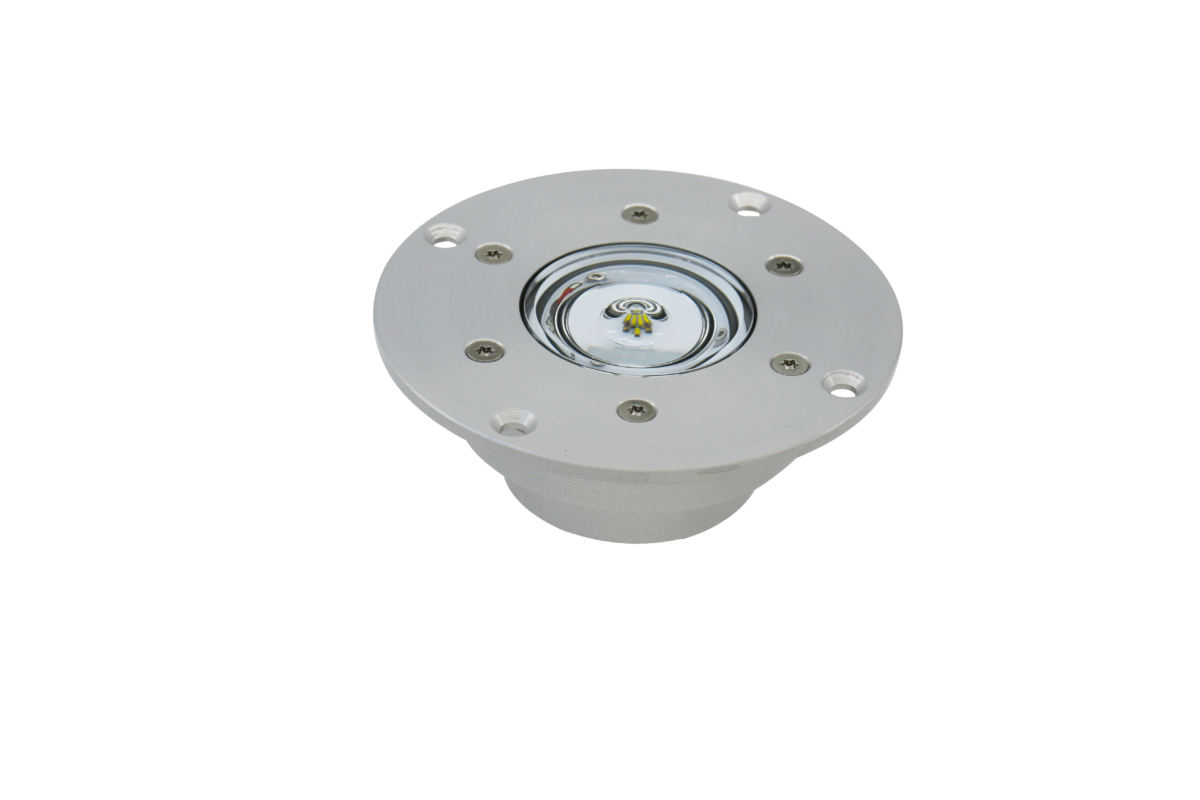
Compliance, Innovation, and Customization
Helideck lighting systems must adhere to global aviation regulations such as ICAO Annex 14 and CAP 437, which specify color coding, light intensity, and installation standards for safety. The rapid adoption of LED technology allows these systems to offer bright, consistent light output, energy savings, and extended lifespans—critical for both offshore and urban environments.
Installation and Maintenance
Best practices for installing helideck lights include:
- Ensuring lights are securely mounted and correctly spaced for uniform visibility.
- Choosing fixtures with high IP ratings to resist water and corrosion in marine and outdoor conditions.
- Integrating lights with centralized control panels for easy monitoring and adjustment.
- Regularly inspecting and maintaining the system to guarantee continuous reliability, particularly in high-use or harsh environments.
Key Trends in the Helideck Lighting Market
- Growing Use of LEDs: For their energy efficiency, longevity, and environmental benefits.
- Smart Technology Integration: Adaptive lighting control maximizes safety and operational efficiency.
- Modular, Customizable Systems: For scalability and adaptation to diverse site conditions.
- Global Regulatory Compliance: Ensuring every system meets strict aviation and marine safety requirements.
Final Thoughts
Helideck lights are far more than basic illumination they stand at the intersection of safety, technology, and global compliance. Their role in modern aviation is essential, enabling safe helicopter operations on marine platforms, urban rooftops, and remote medical sites alike. By investing in advanced, compliant, and reliable helideck lighting, organizations prioritize both safety and operational excellence in every landing. You can also purchase from this link: https://aerolighting.swiss/helicat/.