

Helicopter pad lights are critical aviation lighting systems designed to improve visibility, navigation, and safety during helicopter takeoff and landing operations. Whether installed on hospital helipads, offshore platforms, rooftop heliports, or private landing zones, high-quality helicopter landing pad lights help pilots navigate safely in low-visibility and nighttime conditions.
Modern heliport lighting systems use advanced LED technology to deliver reliable illumination, energy efficiency, and compliance with international aviation standards.
What Are Helicopter Pad Lights?
Helicopter pad lights are specialized aviation lights installed around a helipad or heliport to define landing areas, improve pilot visibility, and support safe helicopter movement. These lights guide pilots during approach, touchdown, takeoff, and ground operations.
Common types of helicopter pad lighting include:
- Helipad perimeter lights
- Elevated heliport lights
- Inset helicopter pad lights
- Heliport floodlights
- Touchdown and lift-off area lights (TLOF lights)
- Final approach and takeoff lights (FATO lights)
- LED helicopter landing lights
These aviation lighting systems help create safer operating conditions for helicopters in all weather environments.
Importance of Helicopter Pad Lighting
Helicopter operations often occur in challenging conditions such as darkness, fog, rain, and remote locations. Proper helicopter pad illumination is essential for reducing risks and improving operational efficiency.
Key Benefits of Helicopter Pad Lights
Enhanced Pilot Visibility
Helipad lighting systems clearly mark landing zones and provide pilots with better visual guidance during approach and departure.
Improved Nighttime Safety
LED helicopter landing pad lights offer bright and reliable illumination for safe nighttime operations.
Better Navigation Accuracy
Heliport lighting helps pilots identify landing boundaries, obstacles, and safe touchdown zones.
Regulatory Compliance
Professional helicopter pad lights are designed to meet ICAO and FAA heliport lighting standards.
Types of Helicopter Pad Lights
Different heliport environments require different lighting systems depending on operational requirements and environmental conditions.
Helipad Perimeter Lights
Perimeter lights outline the edges of the landing area and improve visibility during landing and takeoff.
Inset Helipad Lights
Inset helicopter pad lights are installed flush with the surface to prevent obstruction while maintaining clear illumination.
Elevated Heliport Lights
Elevated heliport lighting systems are mounted above the surface and provide enhanced visibility from greater distances.
Floodlighting Systems
Helipad floodlights illuminate larger areas and improve visibility for ground crews and pilots.
LED Helicopter Landing Lights
LED aviation lights deliver energy-efficient performance, long operational life, and superior brightness.
Features of Modern Helicopter Pad Lighting Systems
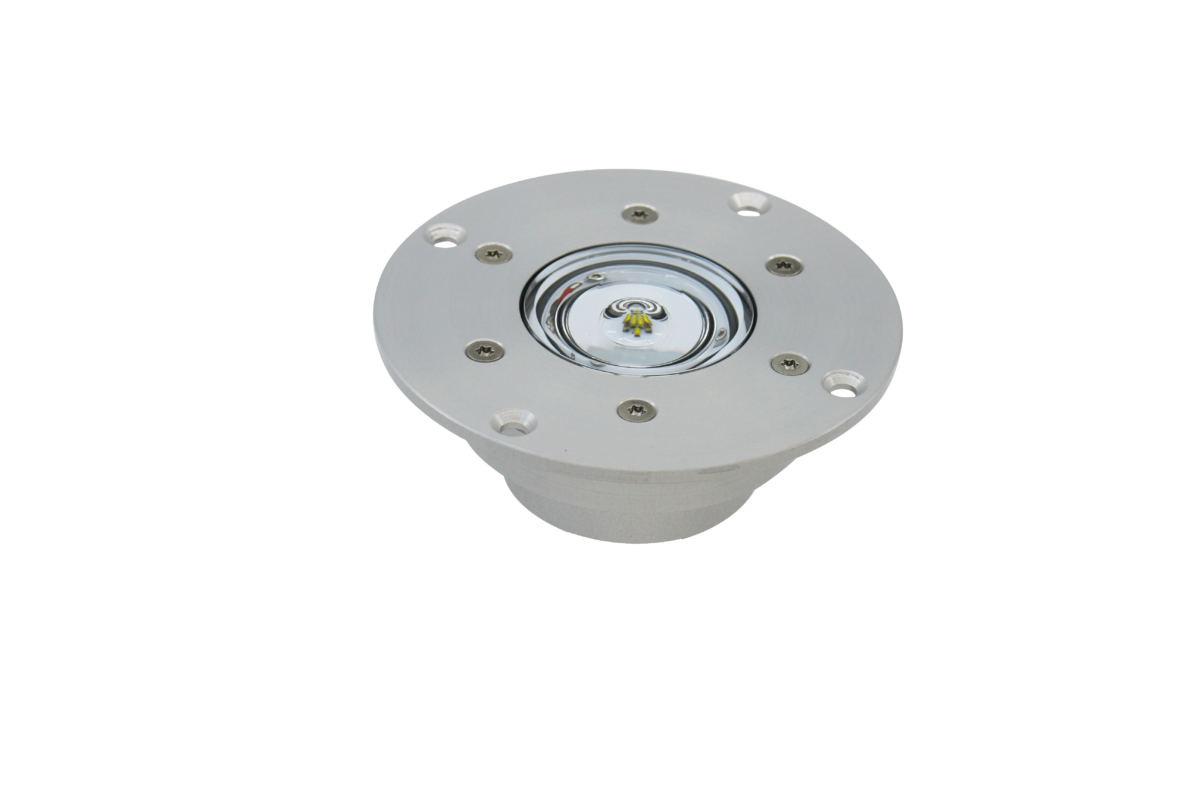
Advanced helicopter pad lighting solutions are designed to withstand harsh aviation environments while delivering reliable performance.
Common Features:
- High-intensity LED illumination
- Low power consumption
- Weather-resistant construction
- Corrosion-resistant materials
- Long lifespan
- ICAO and FAA compliance
- Low maintenance requirements
- High visibility in fog and rain
These features make modern heliport lighting systems ideal for both commercial and private aviation facilities.
Applications of Helicopter Pad Lights
Helicopter pad lights are used in a wide range of aviation environments where safe helicopter operations are essential.
Common Applications:
- Hospital helipads
- Offshore oil and gas platforms
- Emergency medical service (EMS) heliports
- Military heliports
- Rooftop landing pads
- Private helicopter facilities
- Rescue operation landing zones
- Commercial aviation heliports
Reliable helicopter landing pad lighting ensures safer operations in both urban and remote locations.
Why LED Helicopter Pad Lights Are Preferred
LED helicopter pad lights have become the industry standard due to their efficiency, durability, and long-term cost savings.
Advantages of LED Heliport Lighting:
- Lower energy consumption
- Reduced maintenance costs
- Longer operational life
- Instant illumination
- Better brightness consistency
- Eco-friendly performance
LED heliport lighting systems provide dependable performance even in demanding weather conditions.
Choosing the Right Helicopter Pad Lights
Selecting the right helicopter landing pad lighting system depends on several operational and environmental factors.
Important Considerations:
- Helipad size and layout
- Required brightness levels
- Compliance standards
- Environmental conditions
- Installation method
- Maintenance requirements
- Power supply options
Choosing certified helicopter pad lighting systems helps ensure optimal aviation safety and long-term reliability.
Compliance Standards for Helicopter Pad Lighting
Professional heliport lighting systems must comply with aviation safety regulations to ensure safe helicopter operations.
Major Standards Include:
- ICAO heliport lighting regulations
- FAA heliport lighting requirements
- International aviation safety standards
- Local aviation authority guidelines
Certified helicopter pad lights help maintain operational safety and regulatory compliance.
Conclusion
Helicopter pad lights are essential aviation safety systems that improve visibility, navigation, and operational efficiency for heliports and helipads. From hospital rooftops to offshore platforms, reliable helicopter landing pad lighting plays a vital role in ensuring safe helicopter operations in all weather and lighting conditions.
Modern LED helicopter pad lights provide superior brightness, durability, and energy efficiency while meeting strict aviation standards. Investing in high-quality heliport lighting systems helps create safer and more efficient aviation environments for pilots, passengers, and ground crews.