
An aviation warning light is a specialized lighting device designed to alert pilots to the presence of tall structures, obstacles, and potential hazards in or near navigable airspace. These lights play a crucial role in aviation safety by improving visibility and reducing the risk of aircraft collisions, particularly during nighttime operations and adverse weather conditions.
As urban development continues to expand, the number of tall buildings, communication towers, wind turbines, transmission lines, and industrial structures has increased significantly. To ensure safe air navigation, aviation obstruction lighting systems have become a mandatory safety requirement in many countries.
Modern LED aviation warning lights offer enhanced performance, energy efficiency, and reliability, making them the preferred choice for aviation safety applications worldwide.
What Is an Aviation Warning Light?
An aviation warning light, also known as an aircraft warning light, obstruction light, or aviation obstruction lighting system, is installed on tall structures to make them visible to aircraft pilots.
These lights emit high-intensity or medium-intensity illumination that helps pilots identify potential obstacles from a safe distance. Depending on the height and location of the structure, different types of aviation warning lights may be required to meet regulatory standards.
The primary purpose of an aviation safety light is to minimize collision risks and enhance situational awareness for pilots operating in low-visibility conditions.
Why Are Aviation Warning Lights Important?
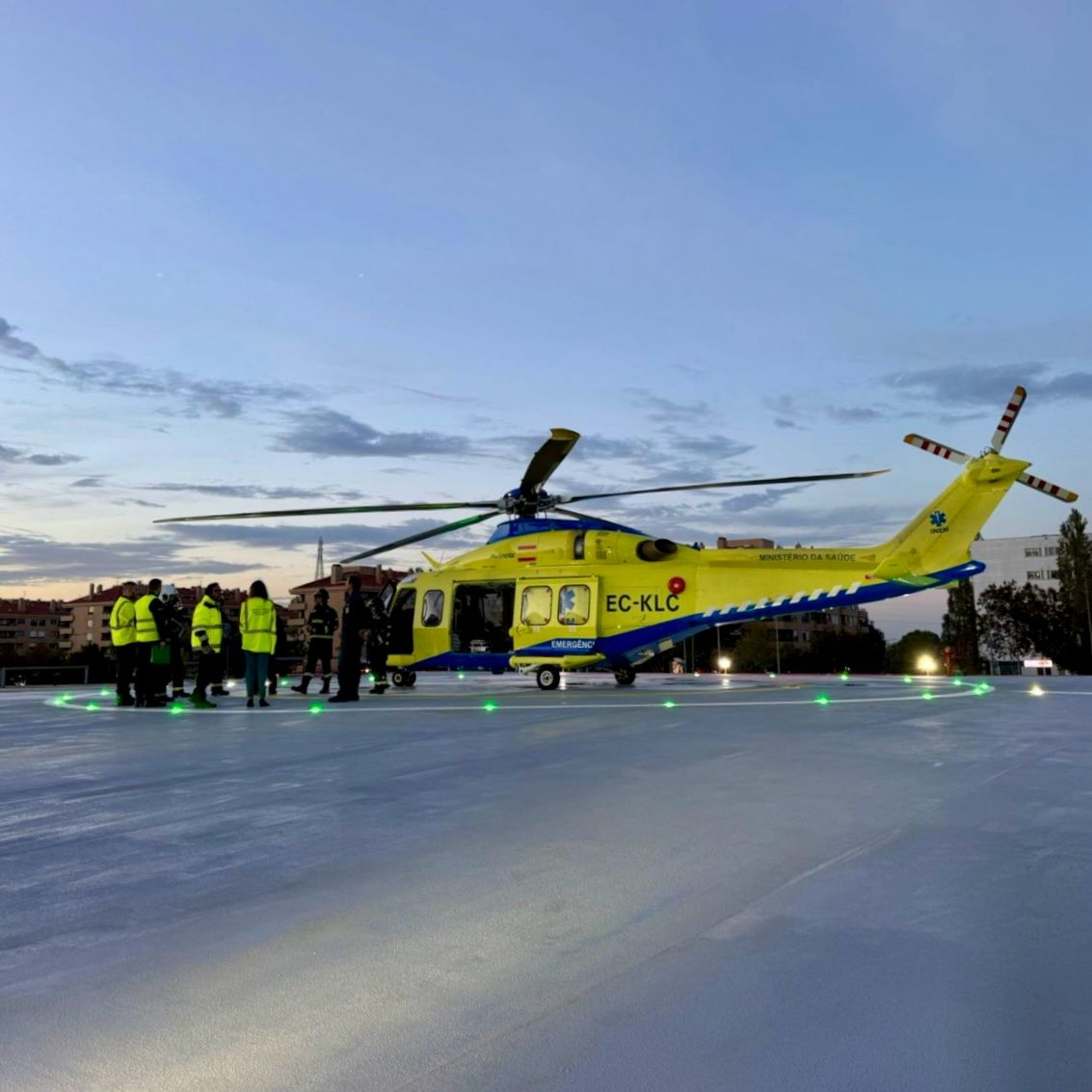
Enhancing Aviation Safety
The most important function of an aviation warning light is to improve aviation safety. By clearly marking tall structures, these lights help pilots avoid obstacles during takeoff, landing, and en-route flight operations.
Preventing Aircraft Collisions
Tall buildings, communication towers, wind farms, and industrial chimneys can pose serious hazards to aircraft. Aviation obstruction lights provide visual alerts that significantly reduce collision risks.
Supporting Regulatory Compliance
Many aviation authorities require obstruction lighting systems on structures that exceed specific height limits. Proper aviation warning lighting ensures compliance with national and international aviation regulations.
Improving Visibility in Poor Weather
Fog, rain, snow, and low-light conditions can reduce visibility for pilots. High-performance aviation warning lights remain visible even in challenging environmental conditions.
Types of Aviation Warning Lights
Different types of aviation warning lighting systems are used based on the structure's height and operational requirements.
Low-Intensity Aviation Warning Lights
Low-intensity obstruction lights are commonly installed on shorter structures where minimal illumination is sufficient. These lights are often used for buildings, utility poles, and small communication towers.
Medium-Intensity Aviation Warning Lights
Medium-intensity aviation lights are designed for taller structures and provide increased visibility. They are commonly used on telecommunications towers, wind turbines, and industrial facilities.
High-Intensity Aviation Warning Lights
High-intensity aviation obstruction lights are required for very tall structures. These lights offer maximum visibility and are often used on skyscrapers, transmission towers, and large infrastructure projects.
Applications of Aviation Warning Lights
Communication Towers
Telecommunication towers require aviation warning lighting to ensure visibility for low-flying aircraft and helicopters.
Wind Turbines
Wind energy installations often utilize LED aviation warning lights to comply with aviation safety regulations while minimizing energy consumption.
High-Rise Buildings
Tall commercial and residential buildings use aircraft warning lights to increase visibility and meet aviation authority requirements.
Airports and Aviation Facilities
Airports rely on aviation safety lighting systems to support safe aircraft operations and identify critical infrastructure.
Industrial Structures
Factories, chimneys, cranes, and power transmission towers frequently incorporate obstruction lighting systems to prevent aviation hazards.
Benefits of LED Aviation Warning Lights
Energy Efficiency
Modern LED aviation warning lights consume significantly less power than traditional incandescent systems, reducing operational costs.
Long Service Life
LED technology provides exceptional durability and can operate for thousands of hours with minimal maintenance requirements.
High Visibility
Advanced LED obstruction lights offer superior brightness and visibility, making them highly effective in various environmental conditions.
Reduced Maintenance Costs
Because LED systems have fewer replacement requirements, facility owners benefit from lower maintenance expenses over time.
Environmentally Friendly
Energy-efficient aviation warning lighting contributes to sustainability initiatives by reducing energy consumption and carbon emissions.
Key Features to Consider
When selecting an aviation warning light system, organizations should evaluate several important factors:
Regulatory Compliance
Ensure the lighting solution meets applicable aviation standards and local regulatory requirements.
Brightness Level
Choose the appropriate light intensity based on structure height and location.
Weather Resistance
Outdoor aviation obstruction lights should withstand harsh environmental conditions, including rain, wind, dust, and temperature fluctuations.
Monitoring Capabilities
Many modern systems include remote monitoring features that allow operators to detect faults and monitor performance in real time.
Power Efficiency
Energy-efficient LED aviation lights help reduce long-term operating costs while maintaining reliable performance.
Future Trends in Aviation Warning Lighting
The aviation lighting industry continues to evolve through technological innovation. Smart aviation warning lights equipped with remote monitoring, automated diagnostics, and intelligent control systems are becoming increasingly common.
Solar-powered aviation obstruction lighting solutions are also gaining popularity, particularly in remote locations where traditional power infrastructure may be limited. These advanced systems offer greater sustainability and operational efficiency while maintaining high safety standards.
As aviation regulations continue to evolve, modern aviation warning light systems will play an increasingly important role in supporting safe and efficient air navigation.
Conclusion
Aviation warning lights are an essential component of modern aviation safety infrastructure. By improving the visibility of tall structures and potential airspace hazards, these systems help protect aircraft, pilots, passengers, and ground-based assets.
With advancements in LED technology, energy-efficient aviation warning lighting solutions now offer enhanced reliability, lower maintenance requirements, and superior performance. Whether installed on communication towers, wind turbines, skyscrapers, or industrial facilities, aviation warning lights remain a critical investment in airspace safety and regulatory compliance.
Frequently Asked Questions (FAQs)
1. What is the purpose of an aviation warning light?
An aviation warning light helps pilots identify tall structures and obstacles, reducing the risk of aircraft collisions and improving flight safety.
2. Where are aviation warning lights commonly installed?
They are typically installed on communication towers, wind turbines, high-rise buildings, chimneys, cranes, transmission towers, and other tall structures.
3. What is the difference between low, medium, and high-intensity aviation warning lights?
The primary difference is brightness. Low-intensity lights are used on shorter structures, while medium and high-intensity lights are designed for taller obstacles requiring greater visibility.
4. Why are LED aviation warning lights preferred?
LED aviation warning lights offer energy efficiency, longer lifespan, lower maintenance costs, and superior visibility compared to traditional lighting technologies.
5. Are aviation warning lights required by law?
In many countries, aviation authorities require obstruction lighting on structures that exceed specified height thresholds to ensure airspace safety.
6. Can aviation warning lights operate in extreme weather conditions?
Yes. Modern aviation obstruction lights are designed to withstand rain, snow, wind, dust, and extreme temperatures while maintaining reliable performance.